
CONTINUING EDUCATION COURSES :
FLEXIBLE, FREE AND TAILORED FOR CLAIMS ADJUSTERS
EXPAND YOUR TEAM’S EXPERTISE AND OPTIMIZE THE MANAGEMENT OF YOUR CLAIMS
At CEP Forensic, we believe that excellence is achieved by working together. With this in mind, we are offering accredited*, free training programs that encourage knowledge sharing, collaboration, and inspiration for continuous improvement. Whether online, at your office, or customized to your needs, our training sessions will help your team develop new key skill sets. The benefit of these courses will result in the refinement and improvement of practices for more efficient and informed claims management.
LED BY OUR FORENSIC EXPERTS, OUR TRAINING PROGRAMS WILL HELP YOU, IN YOUR FIELD OF CHOICE, TO:
- Better understand the causes of losses
- Identify the main sources of damage and failures in your field of choice
- More accurately assess the need for expertise or in-depth investigation
- Optimize claims cost management
- Earn continuing education (CE) credits*
Learn at your own pace and according to your needs.
Live Webinars
Real-time online training for your convenience
Training Catalogue
In-person at your office or virtual for your team
Customized Training
Tailored to your specific challenges within your company
* Accreditation Notice *
The accreditation process for training programs varies by province and is valid for a specific period. Our trainings may be accredited in select provinces; however, accreditation is not guaranteed across all regions.
If you require accreditation in a particular province or for a specific area of training, a new credit application may be necessary. Please note that this process may involve a delay.

LIVE WEBINARS
Access our online training anywhere, anytime, and earn CE credits*
October 8, 2026 – 1:00 PM – 2:30 PM ET
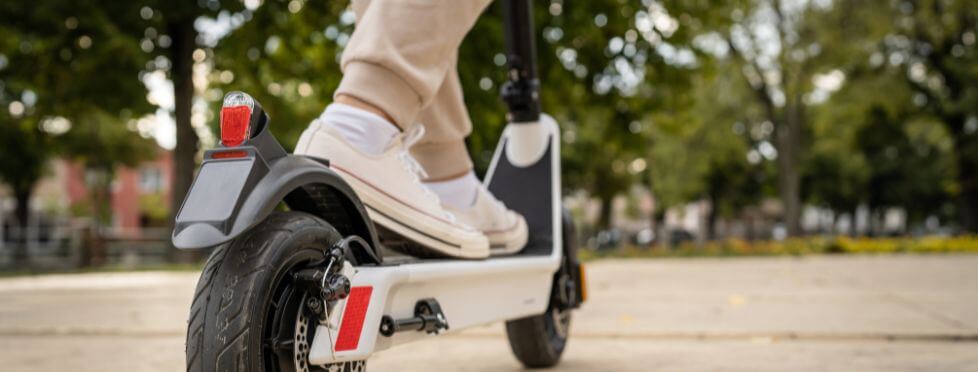
Micromobility: Claims Considerations
Learn more
Course #77489
Presented By : Kenneth Cowie, M.Eng., P.Eng., Andrew Happer, MBA, M.Eng., P.Eng., CFEI
As e-scooters, e-bikes, e-trikes, and other electric personal mobility devices become increasingly common, insurers are seeing a corresponding rise in claims involving these vehicles. This webinar explores the evolving micromobility landscape, including regulatory frameworks, safety requirements, collision dynamics, and overall liability considerations across Canada.
Length: one hour and a half
1.5 CE credit
November 3, 2026 – 1:00 PM – 2:00 PM ET
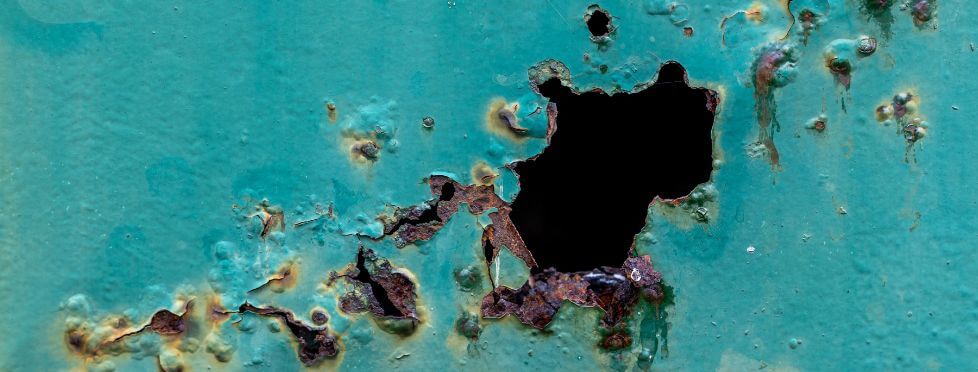
When Materials Fail: Real-World Lessons from Property Loss Investigations
Learn more
Course #77537
Presented by: Olivia Yalnizyan, M.A.Sc., P.Eng., Emilija Ilic, Ph.D., M.A.Sc.
Material failures are often at the root of property losses, equipment breakdowns and system failures. In this 1-hour webinar, participants will gain practical insight into how forensic materials investigation uncover the cause of failures involving metals, polymers, and other common materials. Explore corrosion, fatigue, mechanical overlay, and material degradation and learn how specialized testing helps determine root cause, assess liability, and support claims outcomes.
Length: one hour
1 CE credit
December 3, 2026 – 1:00 PM – 2:30 PM ET
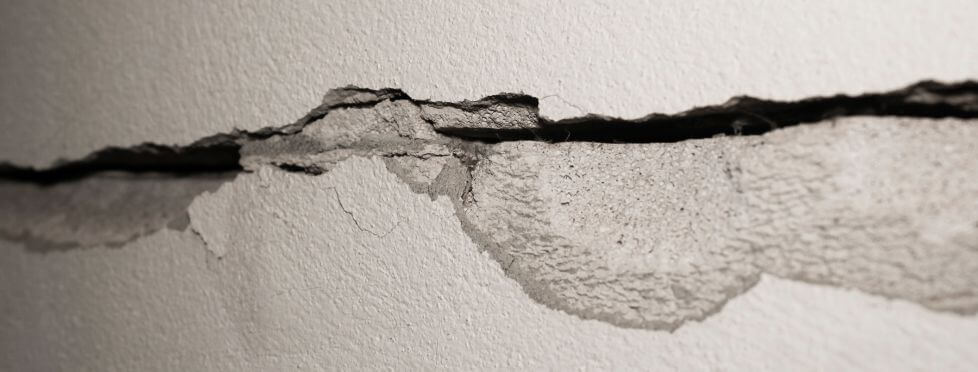
Beyond the Damage: Navigating Complex Structural Repair Claims
Learn more
Course #77638
Presented by: Omar Mohamed, Ph.D., P.Eng., M.A.Sc., Dylan Young, P.Eng.
This webinar reviews complex structural repair claim files, highlighting unique loss scenarios, repair challenges, decision-making processes, and claim outcomes. Through real-world case studies, participants will explore hidden structural damage, engineering involvement, scope development, code upgrade considerations, contractor coordination, and best practices for managing structural repair claims effectively.
Length: one hour
1 CE credit

TRAINING CATALOGUE
Provide your team with interactive training, directly at your office, to strengthen their expertise and earn CE credits*
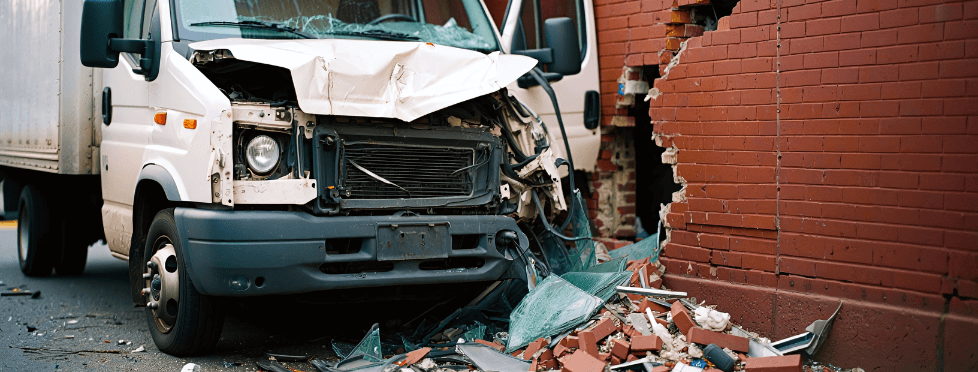
When a vehicle collides into a building, assessing and repairing the damage is more complex than it may seem. This course will explore the critical steps involved in ensuring structural safety, evaluating impact-related damage, and developing effective repair strategies.
Our experts will discuss immediate safety considerations and stabilization techniques, how to assess structural damage and differentiate between new and pre-existing issues, challenges posed by different building materials and construction methods, and best practices for restoring structural integrity.
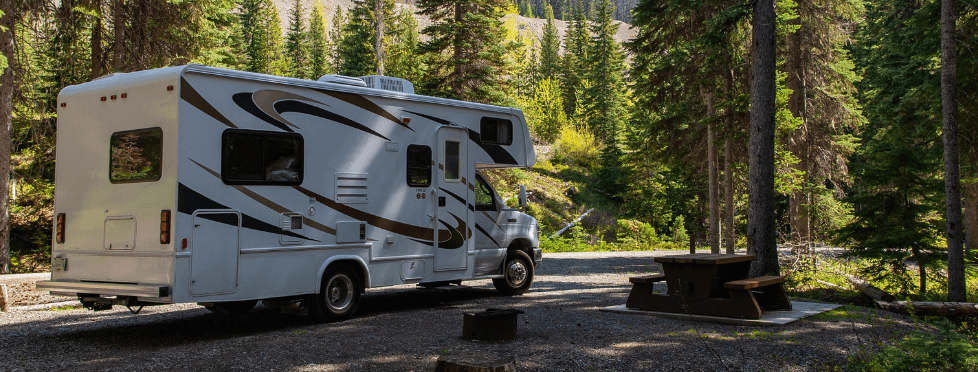
Recreational vehicles (RVs) face a range of potential damages, from structure failures due to rough terrain, overloading, or fabrication, and design deficiencies to moisture-related issues affecting the building envelope components. This course will explore how different engineering disciplines, such as structural, mechanical and materials engineering, for analysis and accident reconstruction, come together to determine the cause of damages to RV claims.
Attendees will learn about common failure mechanisms, how to differentiate between gradual wear and sudden impact damage, and the best practices for assessing and resolving RV related claims. Join us for a technical discussion on the challenges of investigating RV losses.
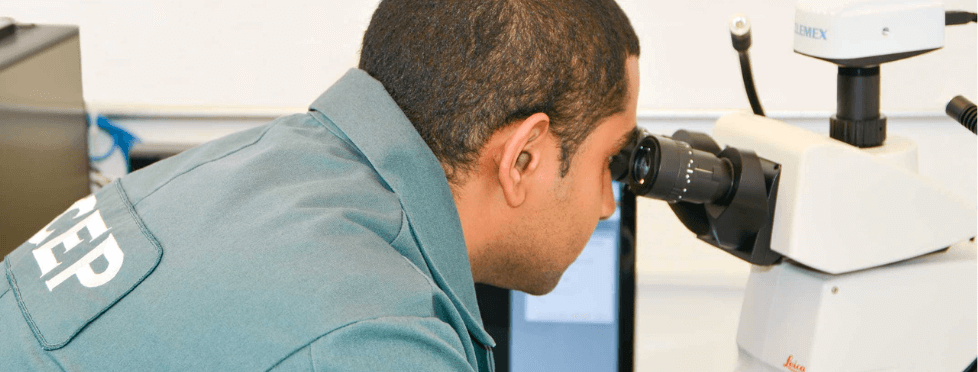
Designed for adjusters, this webinar will provide an in-depth look at the tools and techniques forensic engineers use to determine the causes of material failures. You will explore critical methods for analyzing fractures, corrosion, fatigue, and other material damages.
The session will cover key tools and techniques forensic engineers rely on to identify material failures. It will also examine how to diagnose common issues such as fractures, corrosion, and fatigue. Additionally, you will learn how forensic findings inform insurance claims and enhance your evaluation process.

In this course we will be discussing slips, trips and falls from a biomechanical and technical perspective. We will cover the biomechanics of the human walking gait, as well as slip and fall movements, and discuss the factors, conditions and common facility issues that may lead to slip and trip incidents. We will also introduce the steps involved with an engineering investigation of a slip, trip and fall claim and cover the information adjusters should consider documenting in the early stages of such claims. This webinar will conclude with case studies that illustrate a biomechanical engineering assessment of slip, trip and fall investigations.
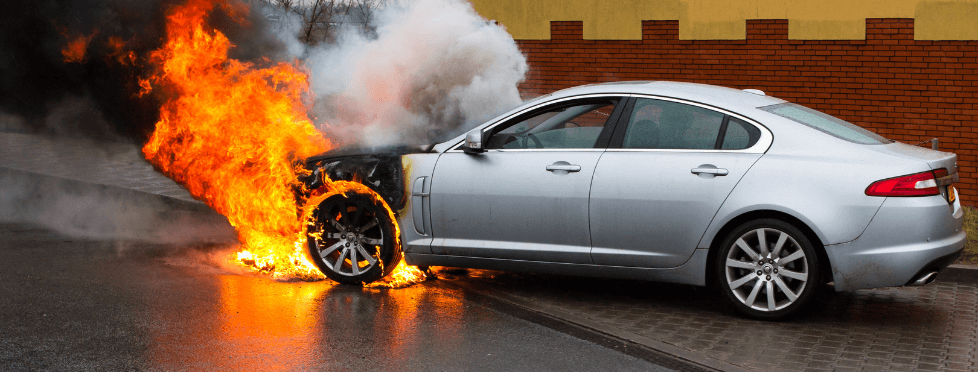
Generally, it is best practice to keep flammable liquids away from sources of ignition; however, when we think of a vehicle engine, that simply is not always possible. The entire intent of a combustion engine is to burn fuel, and that gets hot. So hot that it can even ignite coolant, brake or steering fluids if they come into contact.
In this webinar, CEP experts will review failure modes that lead to fluid leaks, and the multiple questions to keep in mind when exploring the cause and origin of a vehicle fire.
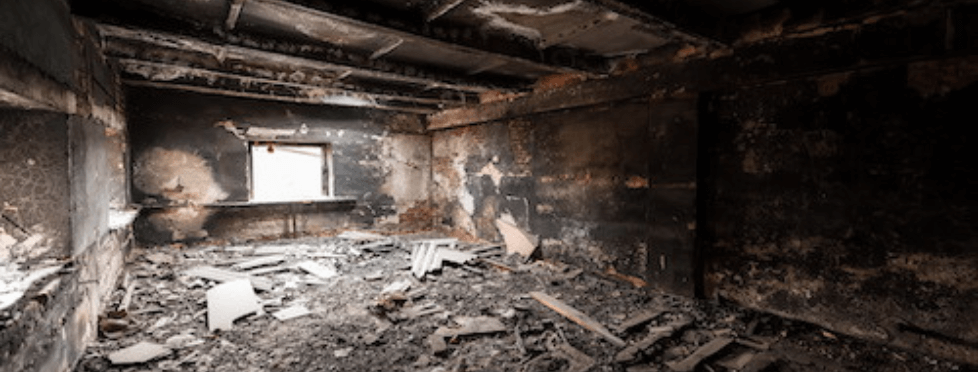
Once the fire has been extinguished and the debris has been cleared away, the work of reconstruction begins. In this webinar, our experts delve into the structural issues that are often found following a fire that occurred in a structure made of concrete, steel or wood. Issues that arise after a fire will dictate the path moving forward, answering the question: whether to repair vs replace the fire-affected part of the building. Our presenters will also cover a wide range of things to consider, such as when and why you may need a structural engineer to provide repair recommendations. Join us as we explore putting things back together after a fire.
ARE YOU LOOKING FOR A TRAINING TUTORIAL THAT IS SPECIFICALLY TAILORED TO YOUR COMPANY’S NEEDS?
CEP Forensic is at your service with professional experts across Canada. We are ready to help build the right training seminar for you and your team – contact us today!