
Articles

Small Wheels, Big Questions: Up to Speed on Micromobility Devices
Over the past decade, personal mobility devices have become an increasingly common component of everyday transportation. Whether driven by lower ownership costs, advancing technology, or the growing prevalence of ride-sharing services, more people are incorporating micromobility devices into their daily commutes. However, the rapid growth of micromobility has outpaced the development of laws and regulations in many jurisdictions. This has resulted in unclear definitions of micromobility devices, inconsistent regulations, and uncertainty surrounding their legal use. For insurers, adjusters, and legal professionals, understanding how these devices are classified and regulated is just as important as understanding the circumstances of an incident when assessing liability, coverage, and damages.
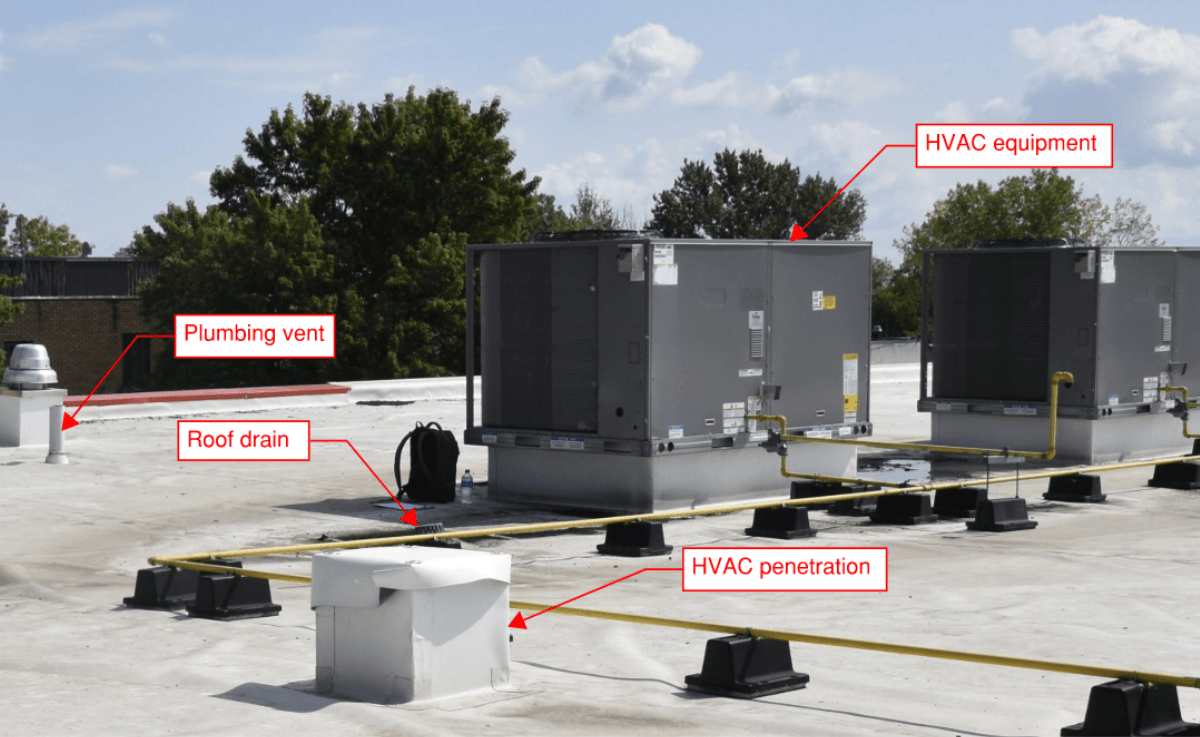
Where Building Systems and the Building Envelope Meet: The Risk of Roof Penetrations
The building envelope serves a simple yet crucial function: keeping interior conditions in and exterior conditions out. Although roofing systems are typically designed to perform reliably for decades, failures most often occur at interfaces where different building systems intersect, including transitions, joints, and penetrations. Among the most common and consequential of these are mechanical penetrations through the roof. If not properly designed, installed, or maintained, these penetrations can create pathways for moisture and air intrusion, potentially leading to significant property damage. Understanding how these failures occur, the losses they can generate, and the investigative techniques used to identify their root causes, can help insurers better assess risk and support effective claims resolution.
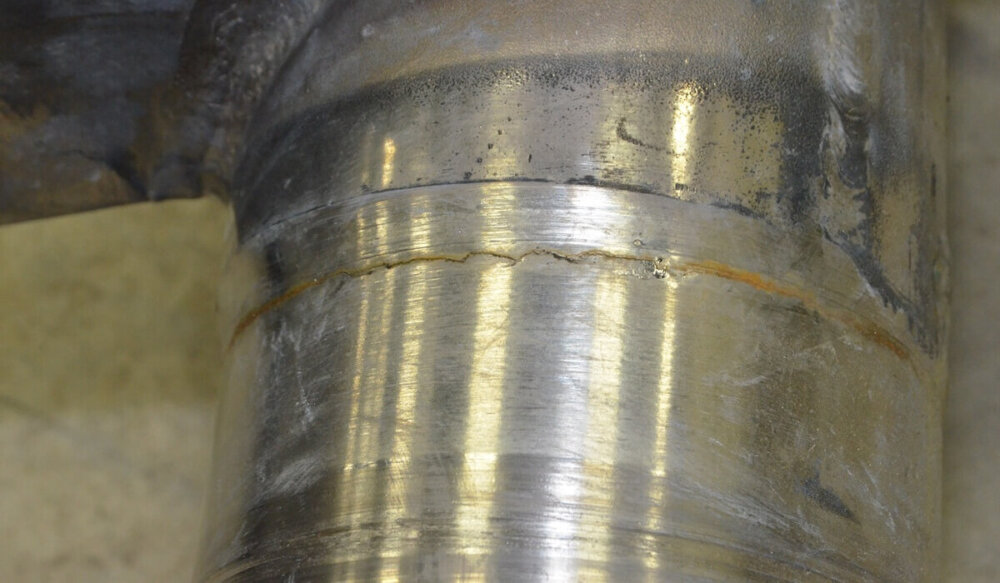
When the Material Tells the Story: The Essential Role of the Materials Engineer
When a loss occurs, whether due to fire, water damage, collapse or mechanical failure, the search for the origin and cause begins almost immediately. Was it a manufacturing defect, misuse, normal component wear, or a hidden flaw? Underpinning these hypotheses is a fundamental question: why did the failure occur? At this precise moment, when the answer lies within the material itself, a crucial yet often overlooked player steps in: the materials engineer.
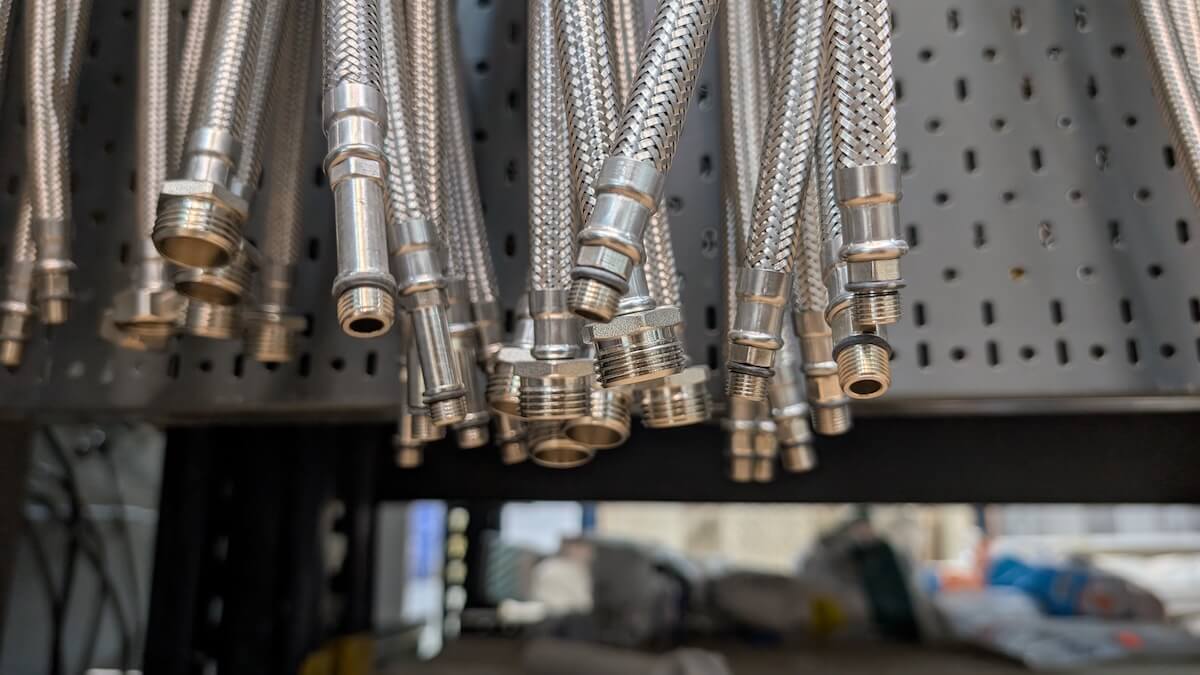
Part Identification: Tracing Their Origins, Even with Limited Clues
Each year, CEP Forensic analyzes hundreds of parts from across Canada. In most cases, these parts are easily identifiable thanks to markings, engravings, or labels applied by the manufacturer or distributor. However, a significant proportion of the parts received contain little to no information that would make it possible to trace their origin. In the context of subrogation claims, identifying the manufacturer or distributor represents a critical strategic issue.

Introducing The CEP Cross-Canada Taste Test
For nearly a decade, CEP Hot Sauce has been a small but memorable part of our CEP culture, proudly made in Canada and shared at CEP events nationwide.

Spotting the Red Flags: Fraudulent Auto Claims in Canada
Fraudulent auto insurance claims are a growing concern across Canada, impacting insurers, repair facilities, and honest policyholders. According to an article published by Canadian Underwriter in March 2025, fraud has cost Canadians over $1 billion in added insurance premiums. One insurance company reported a 76% rise in their fraud investigations in 2024, with nearly 67% of those investigations related to auto accident claims.
Subscribe to our newsletter and never miss our news!