
On-site visit, data collection, and load and stress calculations
By Nahidah Hussainzada, P.Eng., M. Eng.
.
When an incident occurs that damages a structure, the insurers involved often call on the services of a civil engineering expert, among others, to assess the building’s structural integrity, evaluate the extent of the damage and/or provide recommendations as to the work required. Within the framework of these assignments, forensic structural engineers may be called upon to perform structural analyses and produce repair plans.
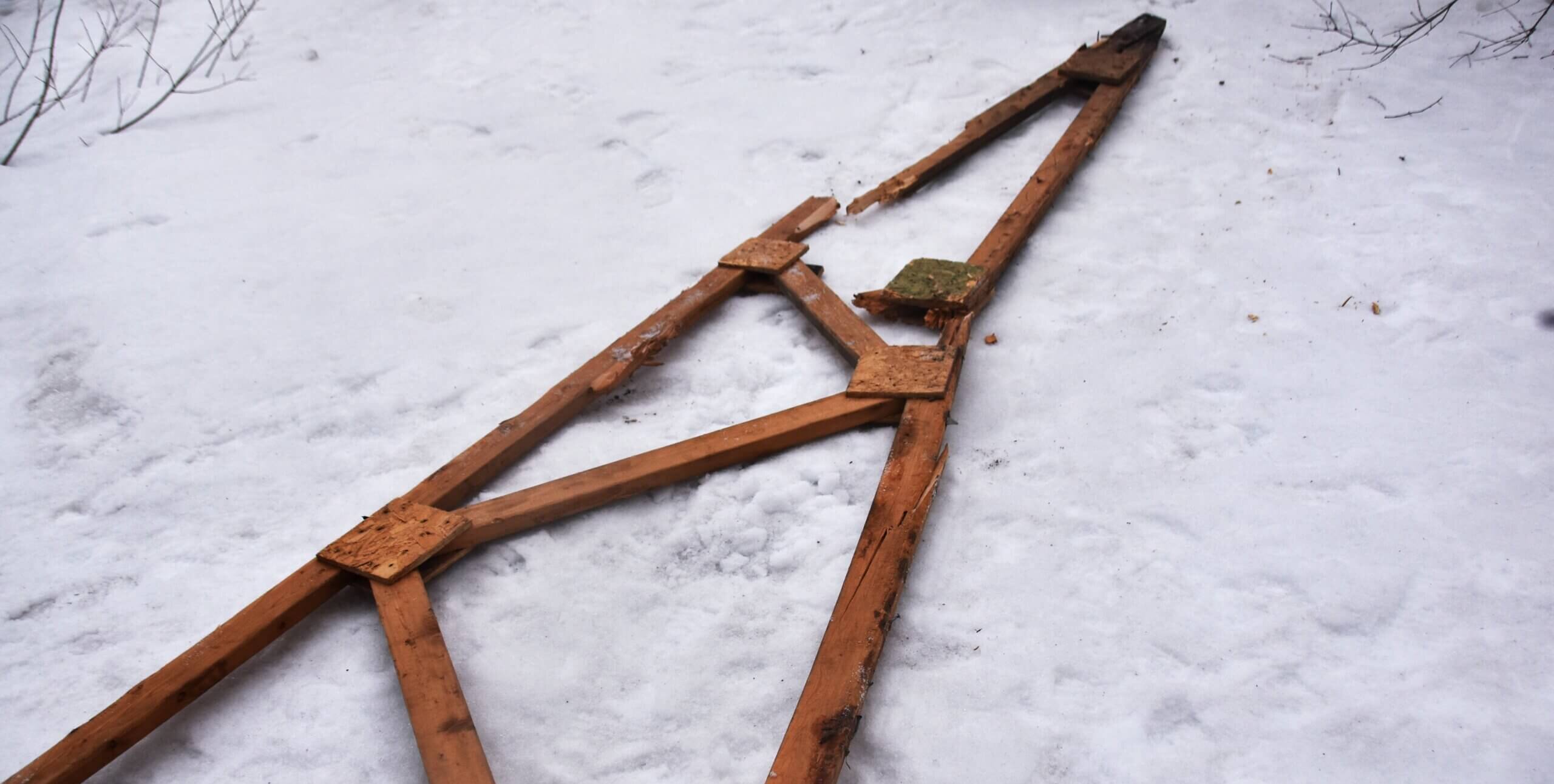
What is a Structural Analysis?
Structures are generally subject to external loads. First, there are gravitational loads, which can be divided into two categories: dead loads (the weight of the structure itself) and live loads (any non-permanent load, such as snow). There are also lateral loads (wind loads or loads caused by an earthquake). In response to these external loads, the structure undergoes internal stresses (bending, shearing, axial force, torsion) and deformations.
Structural analysis is defined as the process of calculating these external loads as well as the internal reactions and resulting deformations. The materials used and the geometry of the structure are also factors taken into consideration in the calculation process.
When Might a Structural Analysis be Required?
Following an incident such as a fire, tree or vehicle impact, snow overload, structural collapse, etc., structural engineers may be commissioned to perform a structural analysis in order to:
- Provide recommendations for temporary support or shoring work required to ensure the safety of the premises and occupants pending permanent repair work.
- Prepare repair plans.
- Determine the cause of the damage and loss.
What Steps and Information are Required to Successfully Conduct a Structural Analysis?
1. Gathering information and reviewing available data.
Photographs (taken before and after the incident) as well as videos (taken before, during and after the incident) contribute to understanding the original condition of the structure and can reveal damage patterns and clues regarding the cause of the incident.
Analysis of the climatic data (such as wind or snow) recorded by the meteorological stations located near the site of the incident helps to determine the loads to which the structure may have been subjected prior to the incident. Forensic engineers are then able to calculate and compare the loads specified by the building code (current or in force at the time of construction) and the actual loads at the time of the incident.
Research may also be required to determine the applicable building code standards and versions according to the current regulations.
In cases of collapses or structural deformations, any document relating to the construction becomes a valuable source of information that can help in understanding and conducting a more comprehensive analysis. If available, documents such as structural and architectural plans, technical drawings, shop drawings and data sheets provide critical information regarding the materials used and their characteristics, the dimensions and geometry of the elements under study, construction details, etc.
2. Examination and Expertise of the Incident Site
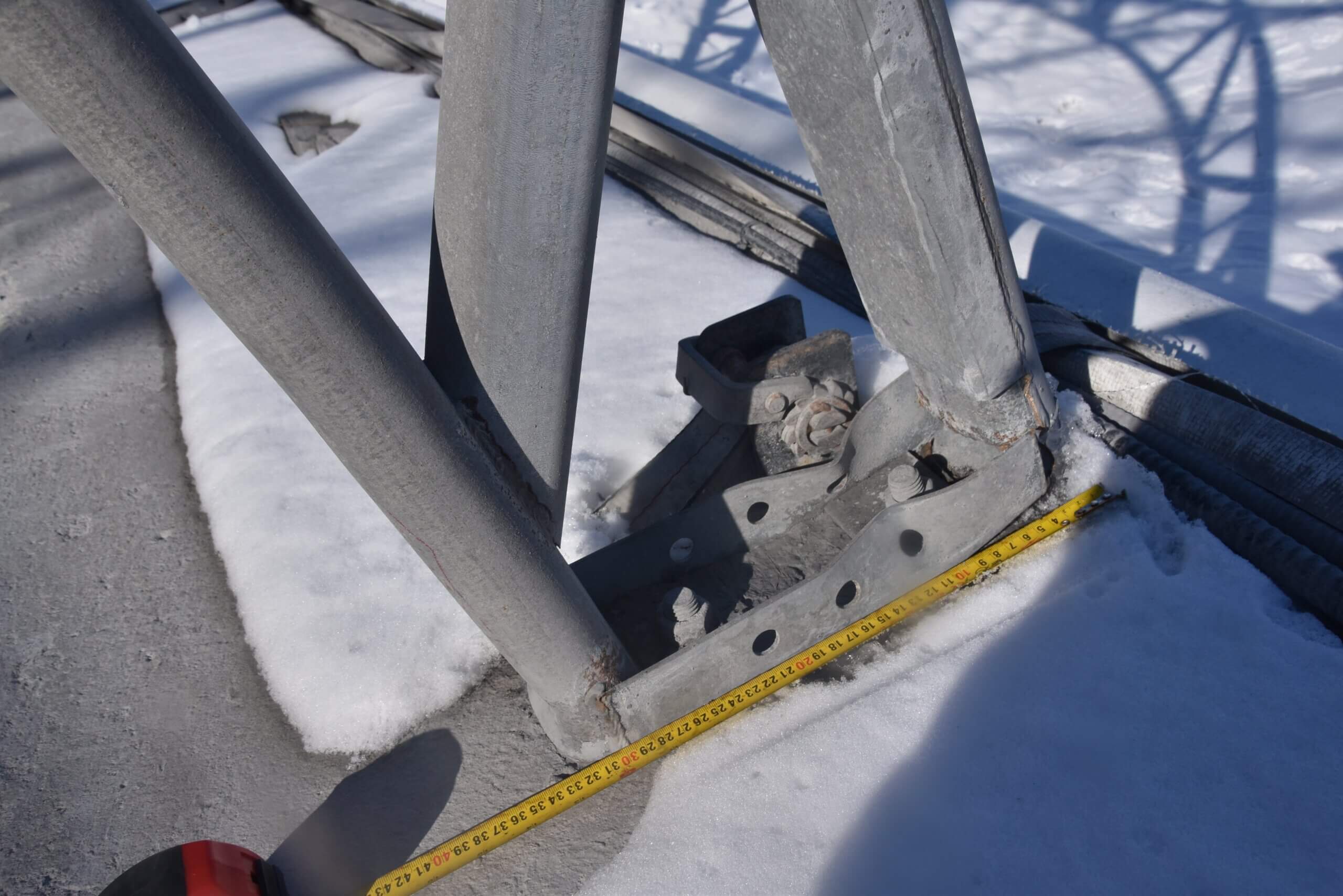
Forensic engineers conduct visual observations of the damaged elements and the entire site to determine the damage patterns. During this examination, engineers also survey, among other things, the types of materials present, dimensions, the geometry of the structure and / or structural components, connections, the structural support conditions, as well as the overall condition of the building (degradation, rot, corrosion, etc.). When required and feasible, they can also coordinate the collection of samples for analysis and testing. For example, concrete core samples or samples of steel elements can be recovered to determine their design characteristics.
Observations and surveys conducted on site complement the information previously reviewed and provided. A comparison can also be made between the conditions observed on site (as built) and the original design specified in the drawings, data sheets and other provided and available documents.
3. Structural Analysis
Finally, structural engineers perform load and stress calculations using data collected during documentation analysis and site examination. To carry out the structural analysis, structural engineers perform calculations either manually or with the assistance of suitable calculation software.
Since each file has its own unique characteristics, depending on the extent of the damage, structural engineers are there to help you determine the structural requirements that apply to each of your claims and to provide the necessary recommendations to ensure that the damage is repaired.