
By Patricia Fortier, P.Eng. and Ella Sutton, Intern at CEP Forensic
The building envelope serves a simple yet crucial function: keeping interior conditions in and exterior conditions out. Although roofing systems are typically designed to perform reliably for decades, failures most often occur at interfaces where different building systems intersect, including transitions, joints, and penetrations. Among the most common and consequential of these are mechanical penetrations through the roof. If not properly designed, installed, or maintained, these penetrations can create pathways for moisture and air intrusion, potentially leading to significant property damage. Understanding how these failures occur, the losses they can generate, and the investigative techniques used to identify their root causes, can help insurers better assess risk and support effective claims resolution.
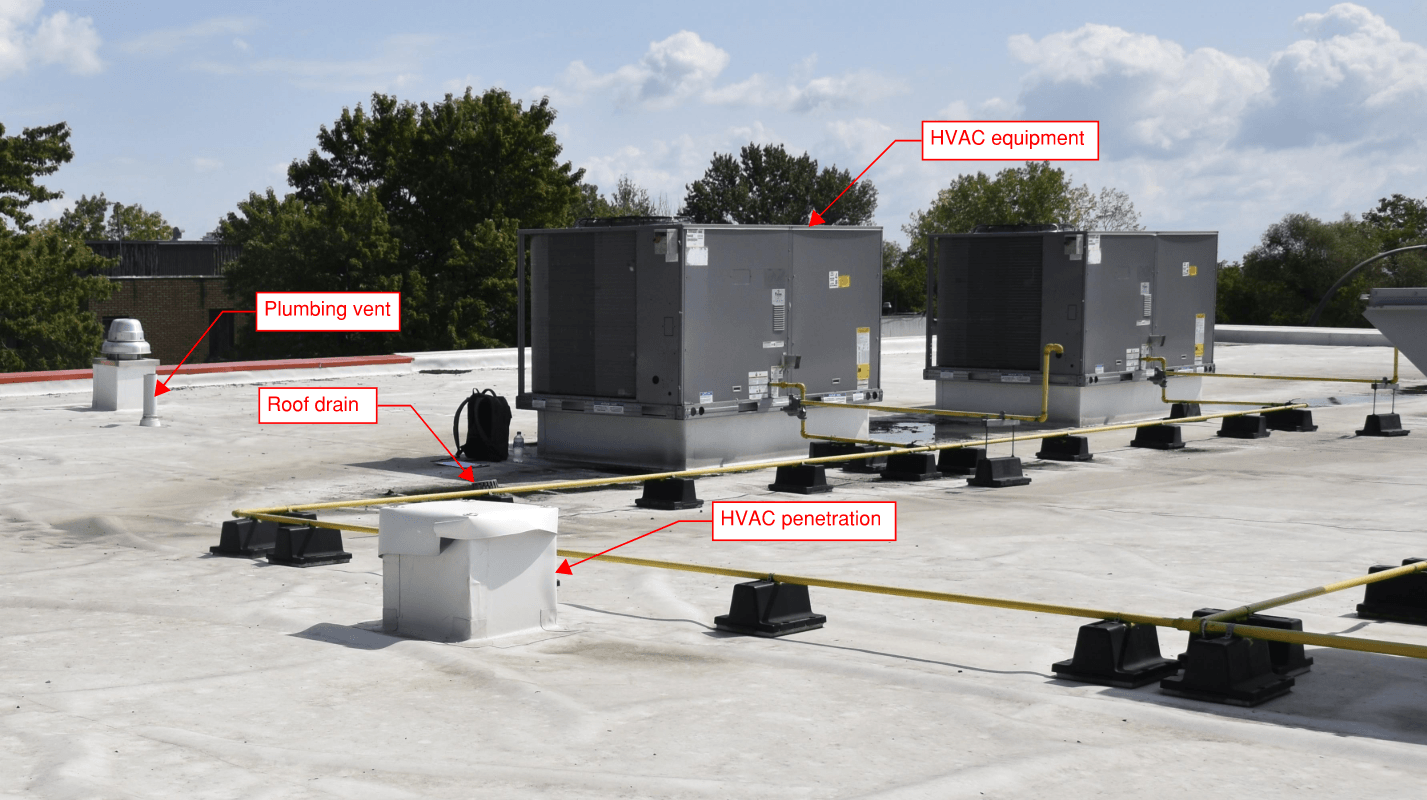 Figure 1 : Example of mechanical penetrations
Why Roof Penetrations are Vulnerable
The roof is arguably the most critical component of the building envelope. It protects the structure and its occupants from rain, snow, wind, temperature extremes, and solar exposure. To perform this function effectively, a roofing assembly must incorporate continuous air, water, thermal, and vapour control barriers.
Mechanical penetrations interrupt these protective barriers. Every duct, pipe, conduit, vent, or equipment support that penetrates the roof creates a point where continuity must be re-established using flashing, sealants, membranes, and other specialized roofing details.
These interfaces are exposed to constant environmental stresses. Thermal expansion and contraction, freeze-thaw cycles, ultraviolet radiation, wind loading, and equipment vibration can all contribute to deterioration over time. Even when a roof membrane remains in good condition, failure of a single penetration detail can create a pathway for moisture or air infiltration.
Many insurance claims involving roofing systems originate not from widespread membrane failure, but from localized deficiencies at penetrations that go undetected until substantial damage has occurred. What may initially appear to be a deficiency in the roofer’s workmanship may, upon closer investigation, involve other trades or other contributing factors.
Common Types of Mechanical Penetrations
Mechanical roof penetrations can generally be grouped into three categories:
- HVAC Systems: Heating, ventilation, and air-conditioning systems frequently require roof penetrations for exhaust ducts, fresh-air intakes, refrigerant piping, gas piping, and rooftop equipment supports.
- Plumbing Systems: Plumbing penetrations commonly include sanitary vent stacks, storm-drainage piping, roof drains, and overflow-drainage systems.
- Electrical and Communications Systems: Conduits, antennas, communication cables, lightning protection systems, and control wiring routinely penetrate roofing assemblies.
Failure Mechanism No. 1: Moisture Infiltration
Moisture infiltration is one of the most common causes of roof-related insurance claims. Even a small opening around a penetration can allow rainwater, melting snow, or wind-driven moisture to enter the roofing assembly.
Once inside, water can travel considerable distances before becoming visible within occupied spaces. As a result, the apparent location of interior damage may be far removed from the actual point of entry. Moisture infiltration can lead to saturated insulation with reduced thermal performance, deteriorating of roofing materials, corrosion of steel components, and damage to interior finishes.
Long-term moisture exposure also creates conditions conducive to mould growth, resulting in indoor air quality concerns.
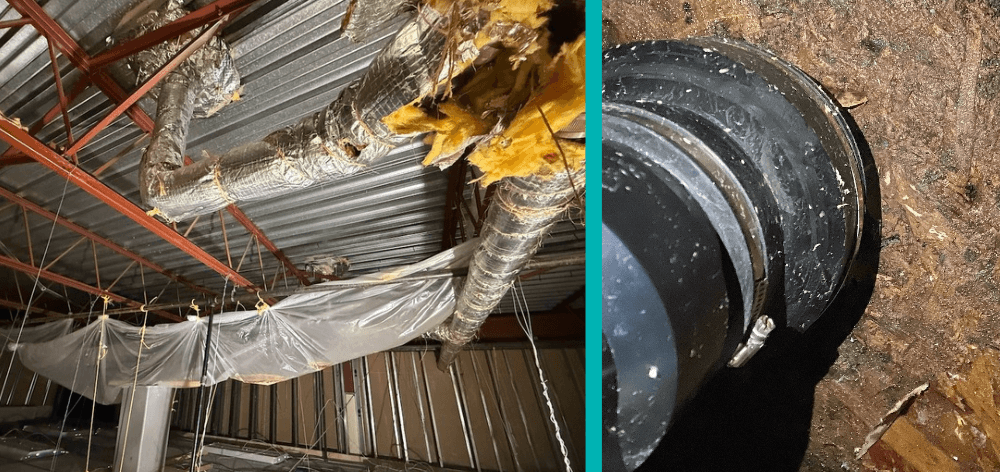 Figure 2 & 3 : Examples of failure around a drain
Failure Mechanism No. 2: Air Infiltration
While water ingress is often the primary focus of roof investigations, air infiltration can be equally significant. When air-barrier continuity is compromised at a roof penetration, uncontrolled air movement can occur between the interior and exterior environments. This air leakage can increase energy consumption, reduce occupant discomfort, and negatively affect overall building performance.
Winter air leakage presents a particularly important risk. Cold outdoor air entering through deficiencies at roof penetrations can reduce temperatures within concealed building cavities. In severe cases, plumbing lines, sprinkler piping, and other water-bearing systems may freeze. When temperatures subsequently rise and the piping thaws, ruptured sections can release significant volumes of water, resulting in extensive property damage.
Air leakage can also transport moisture-laden indoor air into colder areas of the building envelope, where condensation may occur. Because this hidden moisture accumulation often remains concealed within roof and wall assemblies, it can contribute to corrosion, mould growth, and material deterioration for extended periods without any visible indication of water ingress.
What Forensic Investigators Look For
When a loss occurs, determining the source and extent of damage is essential. Forensic investigators evaluate both the roofing system and the associated mechanical penetrations to identify failure mechanisms and establish causation.
Key tools to determine the source of water ingress include moisture meters and infrared cameras.
Moisture meters provide a non-destructive method of identifying elevated moisture levels within roofing materials, insulation, wall cavities, and interior finishes. By mapping moisture distribution, investigators can often trace water migration pathways and narrow the range of potential entry points.
Infrared cameras can be used to identify temperature variations that may indicate the presence of moisture, air leakage or missing insulation. Because wet materials often exhibit different thermal characteristics than surrounding dry materials, infrared imaging can help investigators identify areas requiring further examination and testing.
During winter investigations, infrared thermography can be particularly effective in identifying cold-air infiltration around roof penetrations, allowing investigators to locate air-barrier deficiencies that may not be visible through conventional visual inspection.
Conclusion
Mechanical roof penetrations illustrate a broader principle of building-envelope performance: the greatest vulnerabilities often occur where systems, materials, and assemblies intersect. Maintaining continuity of the air-, water-, thermal-, and vapour-control layers is essential to long-term performance. For insurers and building owners alike, understanding these interfaces can help identify vulnerabilities before they develop into significant losses. When failures do occur, accurately determining the cause of the loss and the parties responsible is essential for developing effective repair strategies, allocating responsibility, and evaluating potential subrogation opportunities.