
Articles
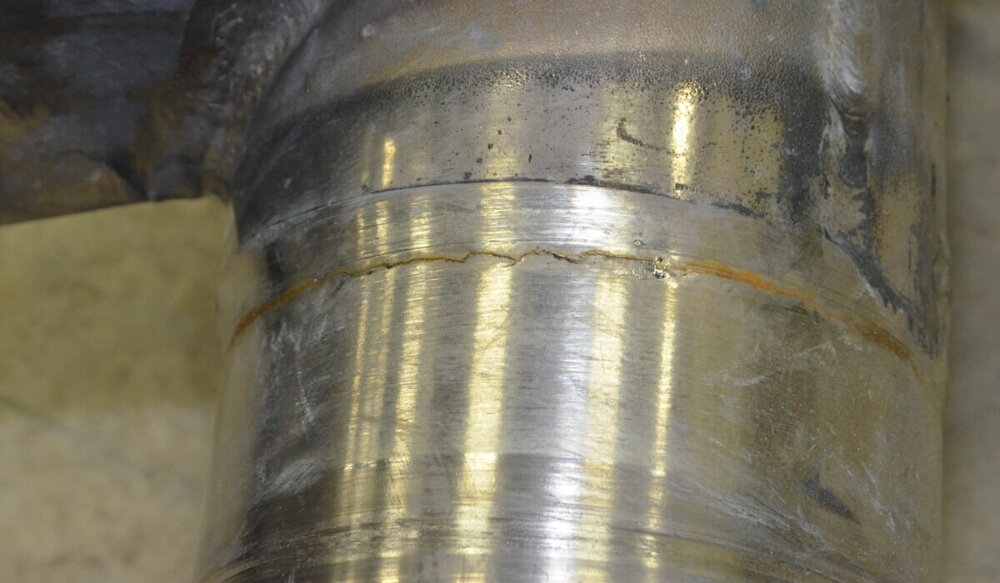
When the Material Tells the Story: The Essential Role of the Materials Engineer
When a loss occurs, whether due to fire, water damage, collapse or mechanical failure, the search for the origin and cause begins almost immediately. Was it a manufacturing defect, misuse, normal component wear, or a hidden flaw? Underpinning these hypotheses is a fundamental question: why did the failure occur? At this precise moment, when the answer lies within the material itself, a crucial yet often overlooked player steps in: the materials engineer.
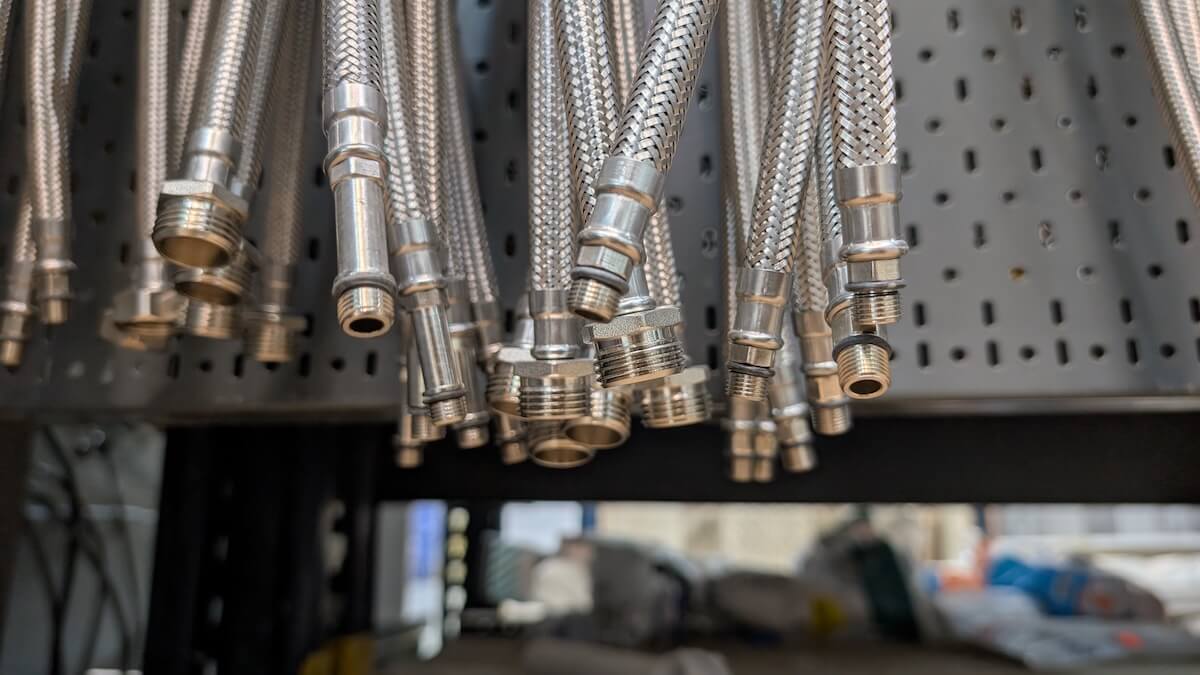
Part Identification: Tracing Their Origins, Even with Limited Clues
Each year, CEP Forensic analyzes hundreds of parts from across Canada. In most cases, these parts are easily identifiable thanks to markings, engravings, or labels applied by the manufacturer or distributor. However, a significant proportion of the parts received contain little to no information that would make it possible to trace their origin. In the context of subrogation claims, identifying the manufacturer or distributor represents a critical strategic issue.
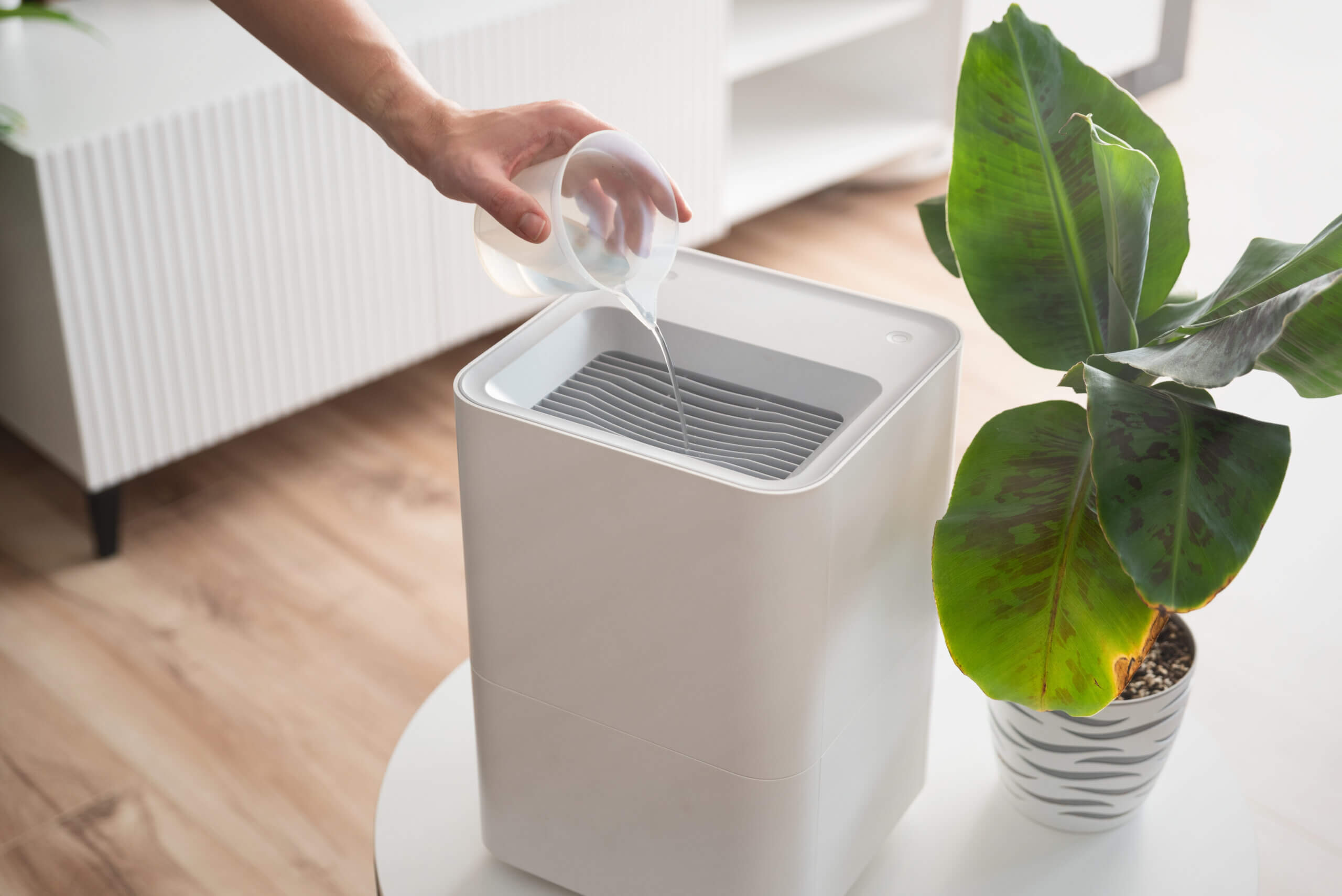
Humidity or Air Quality: Must We Choose One?
In this start of the new year, nothing is more customary than wishing a bill of good health to others. A simple parameter can influence our comfort and our respiratory vulnerability at once: relative humidity. Some tools, such as humidifiers, exist to control this parameter but understanding how they work and their potential effects on human health is imperative.

A Safe Holiday Season
The holiday season is just around the corner! Santa's village is aglow with thousands of lights. The elves are busy hanging garlands and decorating Santa's majestic Christmas tree. But even at the North Pole, the wisest elves know that a natural tree can be dangerous: a dry tree or faulty lights could cause a fire in just seconds.
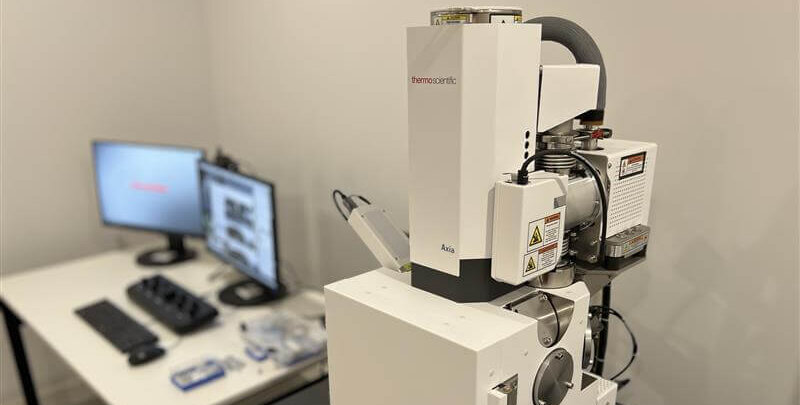
Microscopy, a Cornerstone of Failure Analysis
For materials and chemistry experts, the microscope is an indispensable tool. Among other things, it helps us to understand failure mechanisms, observe material characteristics, trace the source of contamination, and determine both the nature and failure mode of components. In fact, the microscope is usually the first tool used by an expert in order to establish a diagnosis and understand a failure mode.
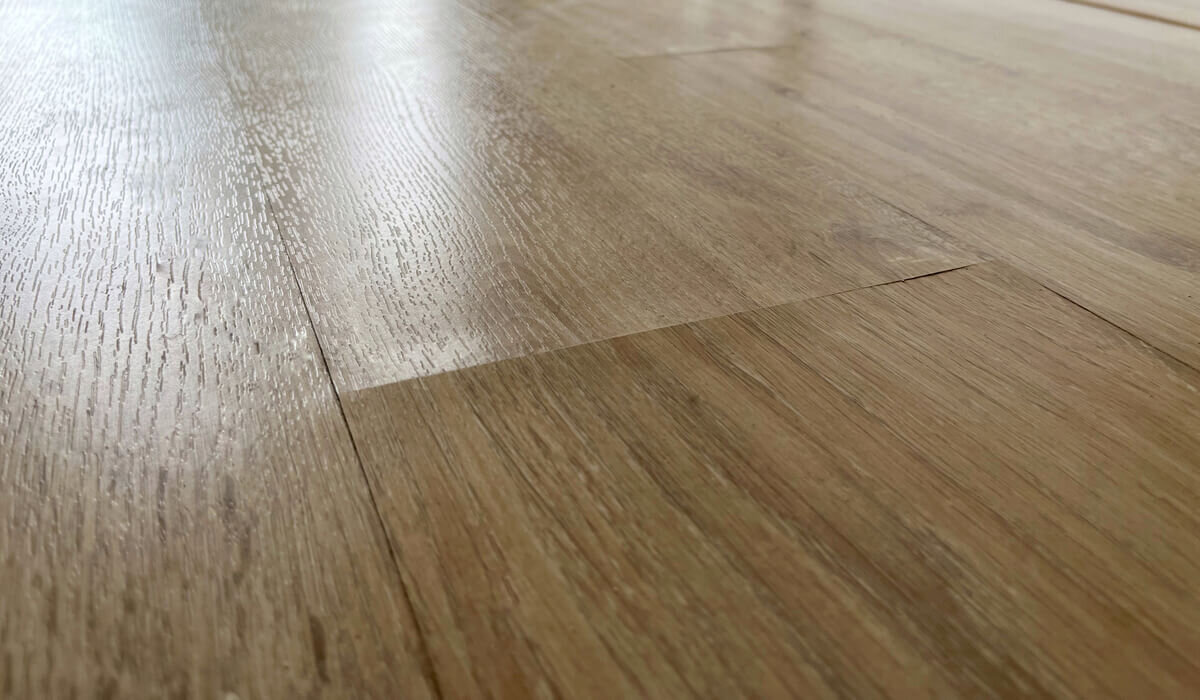
Getting to the Bottom of Flooring Failures
Floors are more than just surfaces we walk on; they set the tone for our interiors, combining style, comfort, and functionality. Each material, from elegant hardwood to practical polymer coverings has its own characteristics that are important to understand in the context of a claim or dispute.
Subscribe to our newsletter and never miss our news!